category
Popular Reading
1. Autonomous Driving "Black Box": Understanding the Industry Value and Implementation Roadma
2. Announcement: CookooAI Officially Achieves Prestigious International CMMI Certification
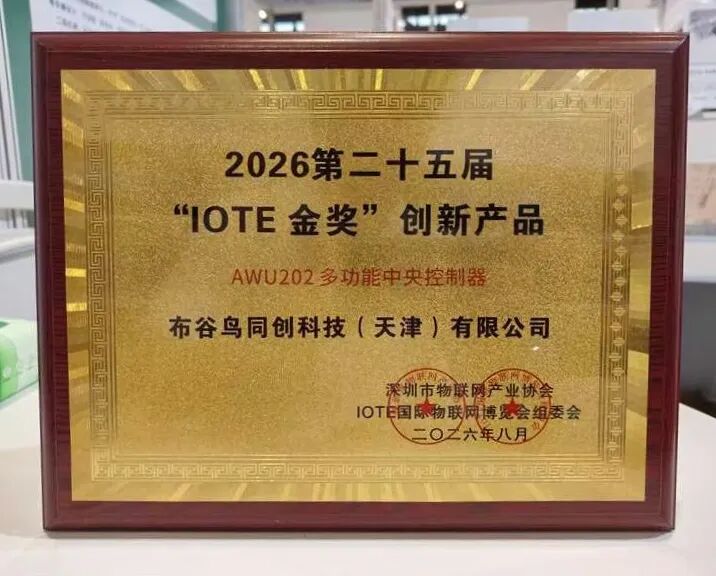
3. Great News | Honored at IOTE 2026 Shenzhen! AWU202 Wins IOTE Gold Award
4. Co-developing Intelligent Control, Co-creating the Future: The 3rd CooKooAI Developer Community Offl
Co-developing Intelligent Control, Co-creating the Future: The 3rd CooKooAI Developer Community Offl
|
2026-08-30 08:57:51
|
0
The autonomous driving industry is currently transitioning from technical validation to large-scale commercial deployment. Key challenges constraining this scaling process include regulatory compliance, the engineering of domestically produced domain cont
As autonomous driving moves towards large-scale commercialization, full-chain capabilities such as domain control hardware integration, on-board data compliance storage, remote driving link stability, multi-device time synchronization, and system secondary development have become realistic issues that the industry cannot avoid. This offline co-creation is the final step to focus on the sticking points and difficulties in front-line development and get through the theoretical plan to the implementation of the project.
The two-day technical co-creation event concluded successfully on August 27–28, attended by nearly 30 guests from cities including Beijing, Tianjin, Shenzhen, Suzhou, Wuhu, Qingdao, and Jining. Centered on technical deep-dives, the event provided comprehensive and in-depth technical insights for professionals across various fields—such as AI controllers for autonomous vehicles and DSSAD scenarios, embedded development, edge-side algorithm deployment, and remote driving.
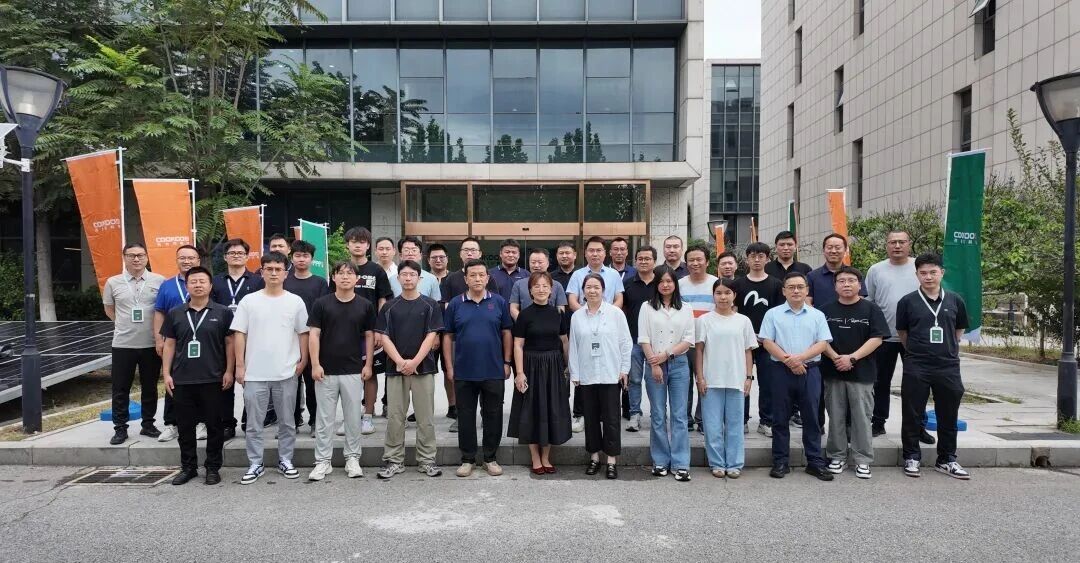
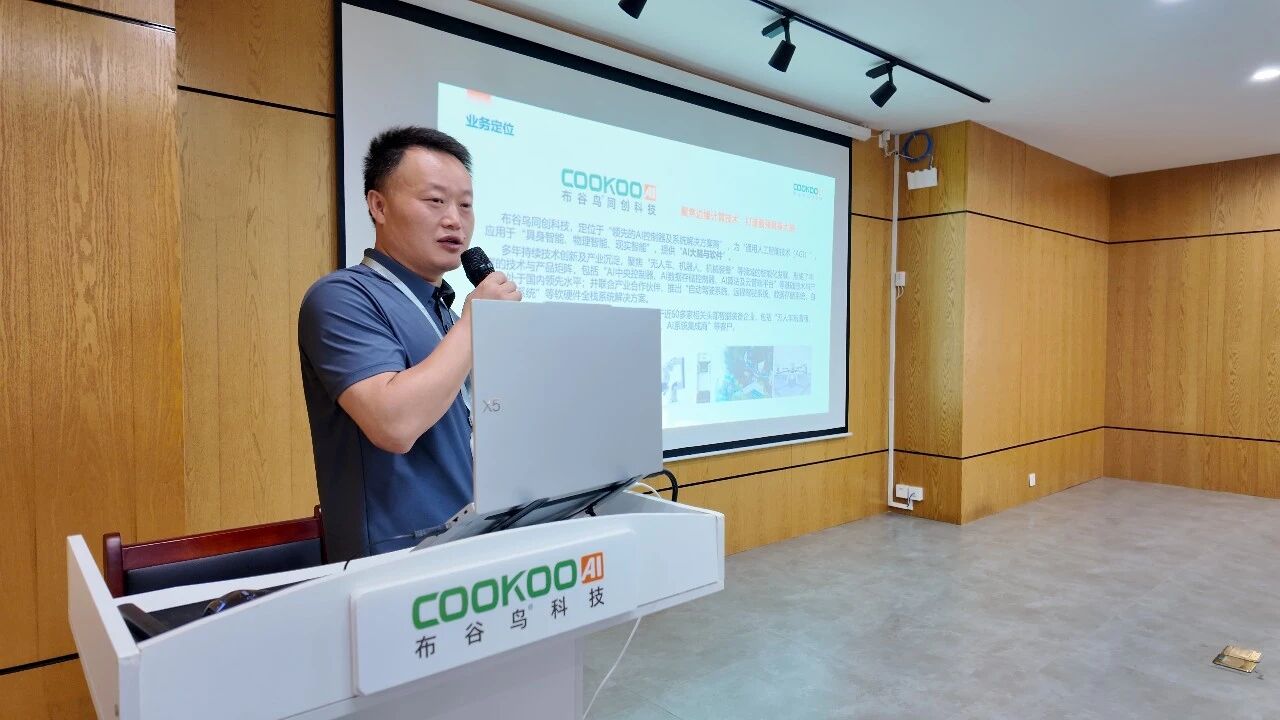
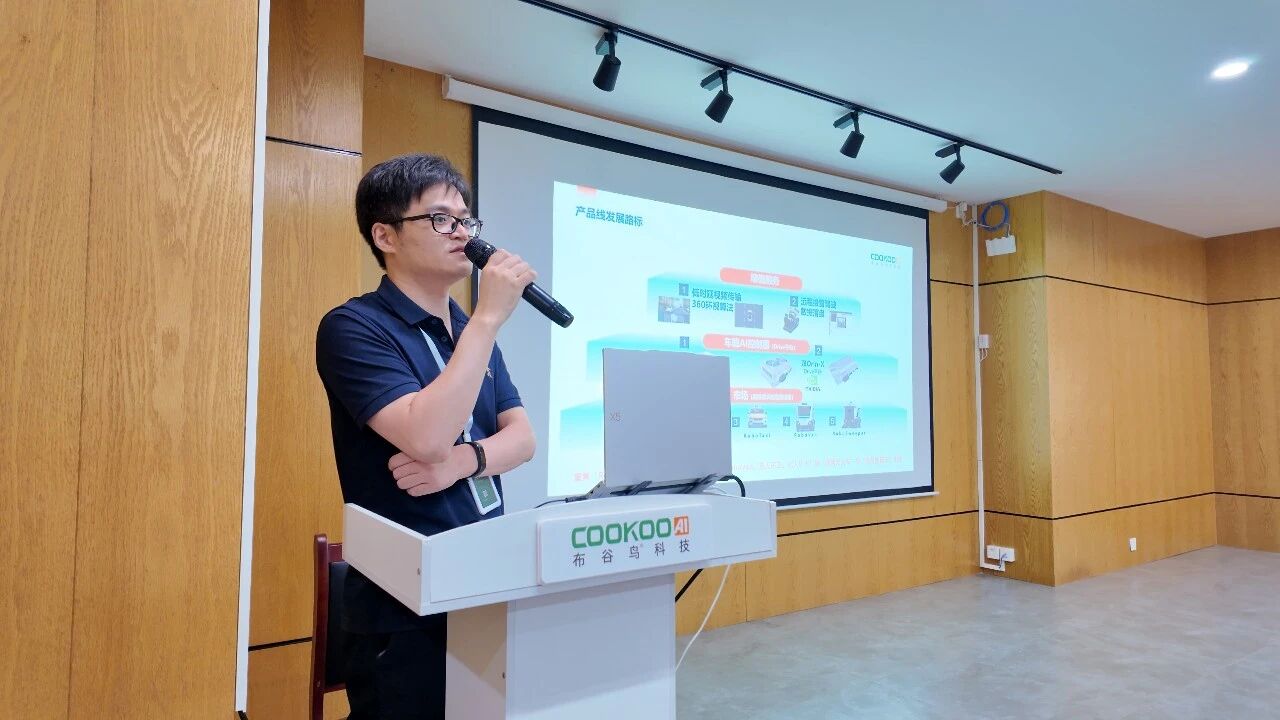
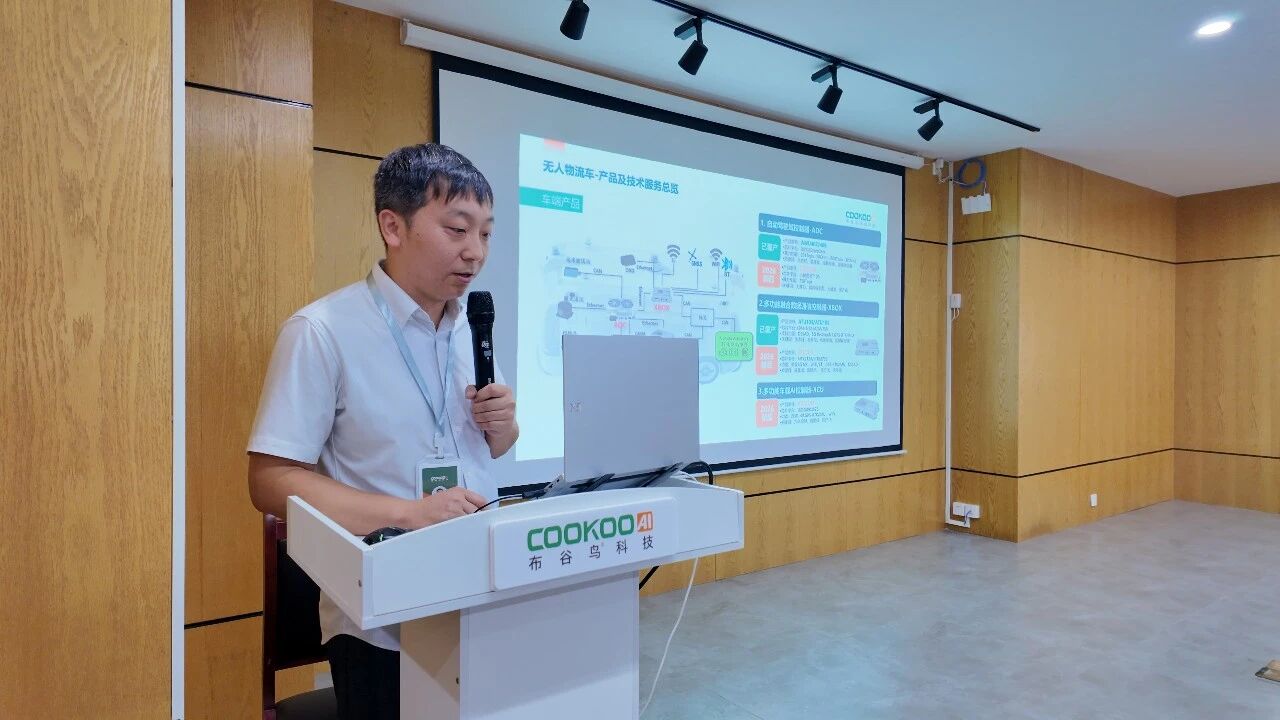
On the first day of the event, the technical team provided a comprehensive overview of the end-to-end autonomous driving solution and the full product portfolio—including AI controllers and domain controllers—with a special focus on a detailed breakdown of the DSSAD (Data Storage System for Automated Driving). Drawing on regulatory compliance requirements, the team shared extensive, reusable practical insights covering everything from underlying architecture and sensor time-synchronization mechanisms to standardized compliance testing protocols and real-world deployment cases. They also engaged in in-depth discussions on industry hot topics such as autonomous driving data logging and liability traceability.
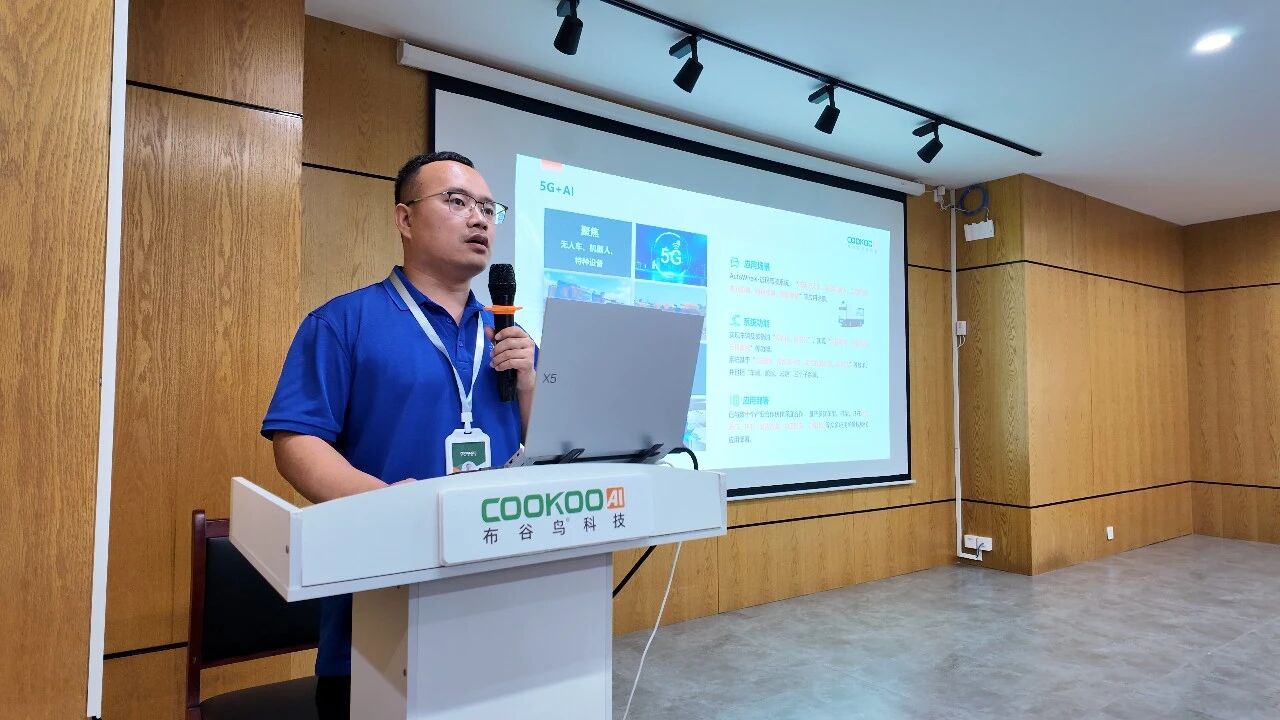
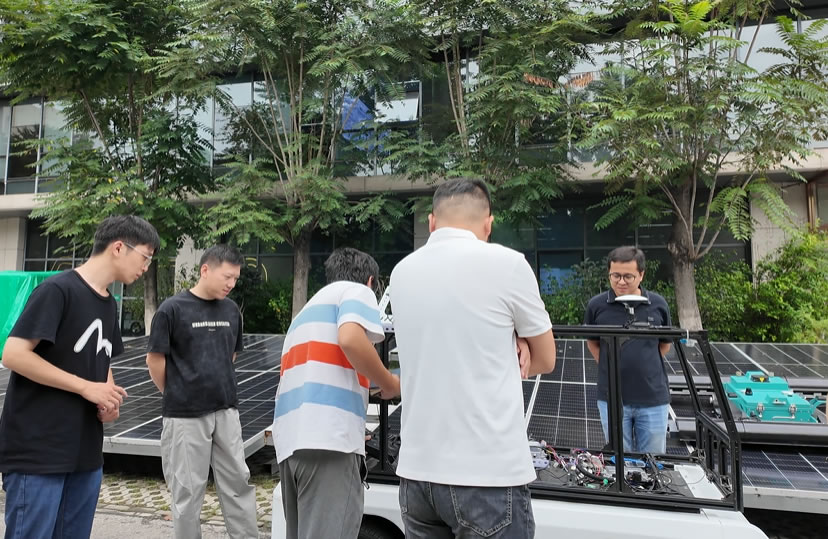
The following day’s activities focused on the full-stack technology ecosystem for remote driving of unmanned vehicles. The sessions provided an in-depth analysis of multi-endpoint collaborative communication mechanisms, cybersecurity protection designs, RDS remote driving system architecture, and implementation pathways for secondary development on the vehicle-cockpit platform. Additionally, the event presented algorithm designs and engineering deployment solutions tailored to various industry scenarios. Through live hardware demonstrations, open face-to-face discussions, and expert Q&A sessions, participants engaged directly with challenges spanning hardware, software, and system integration. Technical staff and developers exchanged ideas and shared lessons learned from past development hurdles, effectively resolving practical project issues.
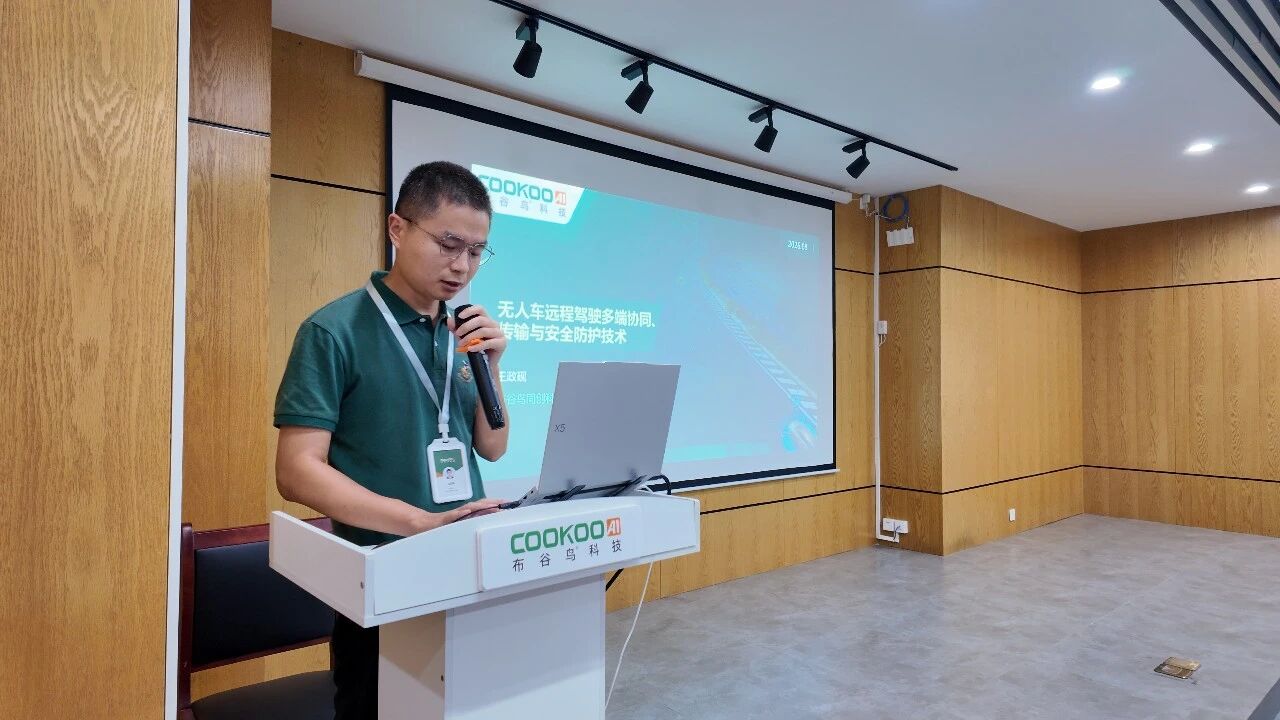
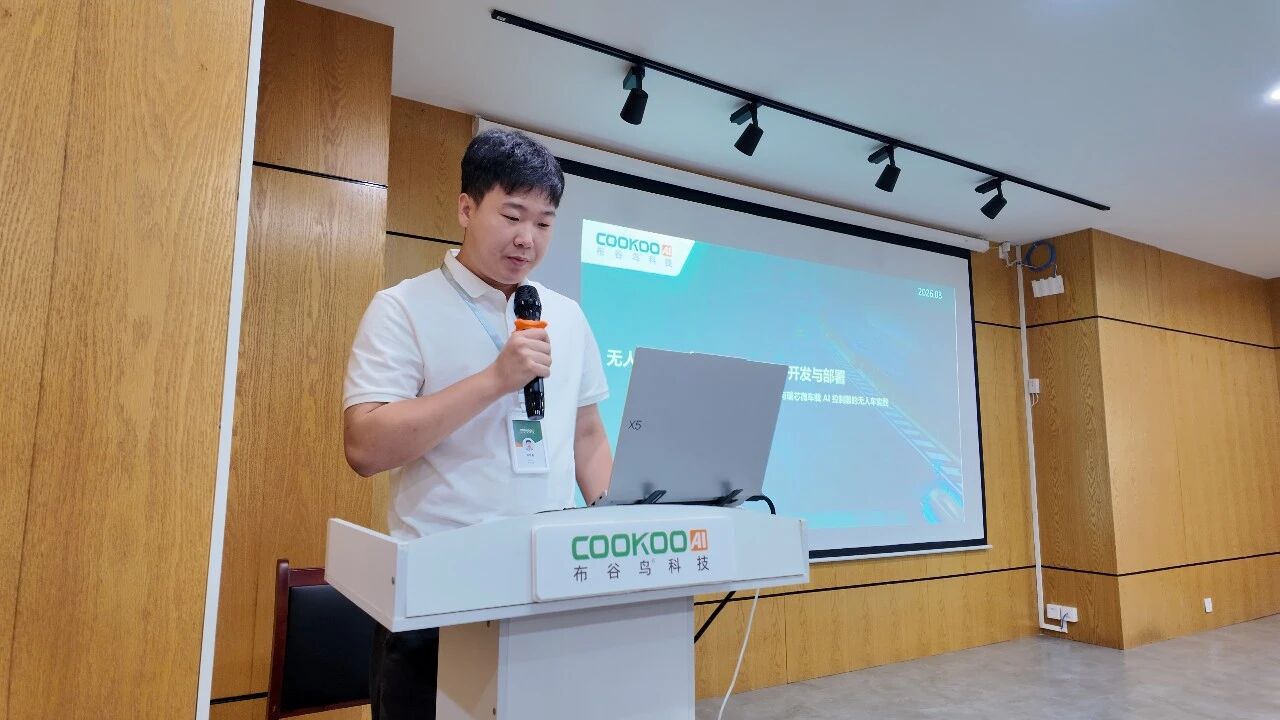
Spanning everything from tackling specific technical challenges to implementing full-lifecycle engineering practices, this collaborative initiative represents more than just a sharing of technology; it is a collective industry-wide reflection on the critical issues of regulatory compliance and scalability in autonomous driving. As legislation in this sector advances, compliance regarding data evidentiary records, the localization of domain controllers, and the practical deployment of remote driving scenarios have become essential foundations for the commercialization of the autonomous vehicle industry. While breakthroughs in individual technologies are undoubtedly important, driving the industry forward requires open communication across the entire supply chain and the joint development of a unified practical methodology.
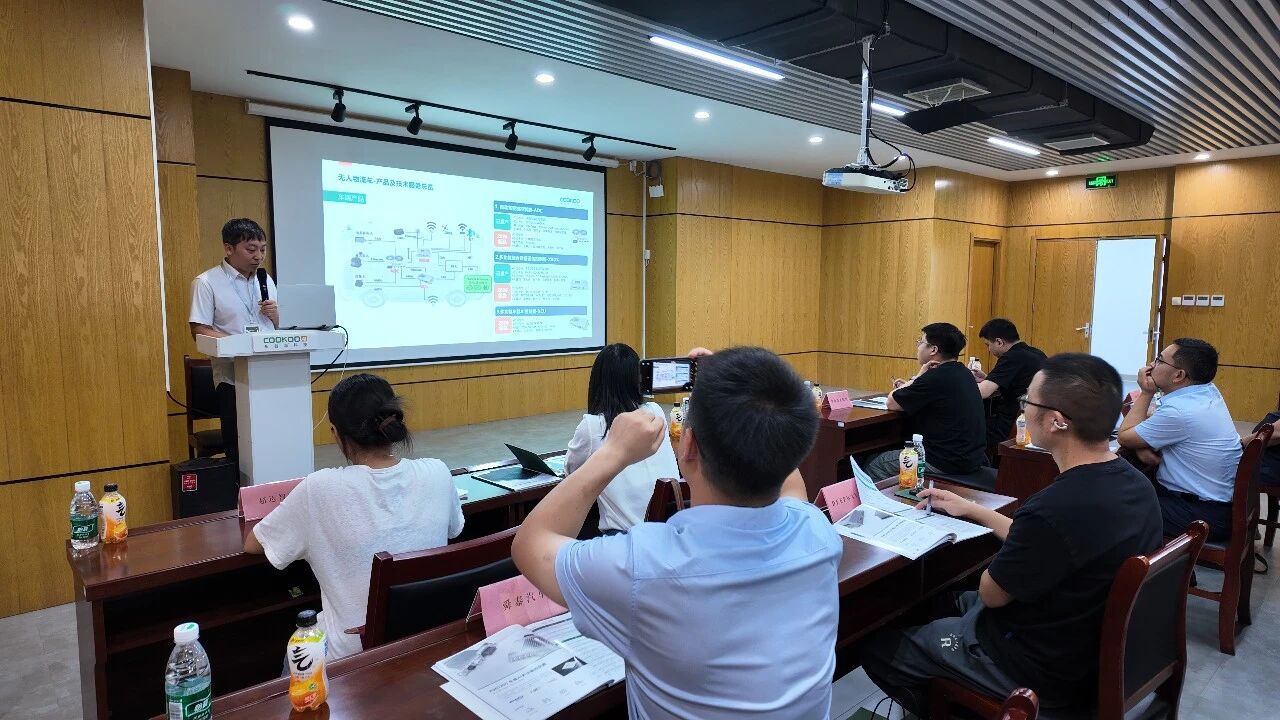
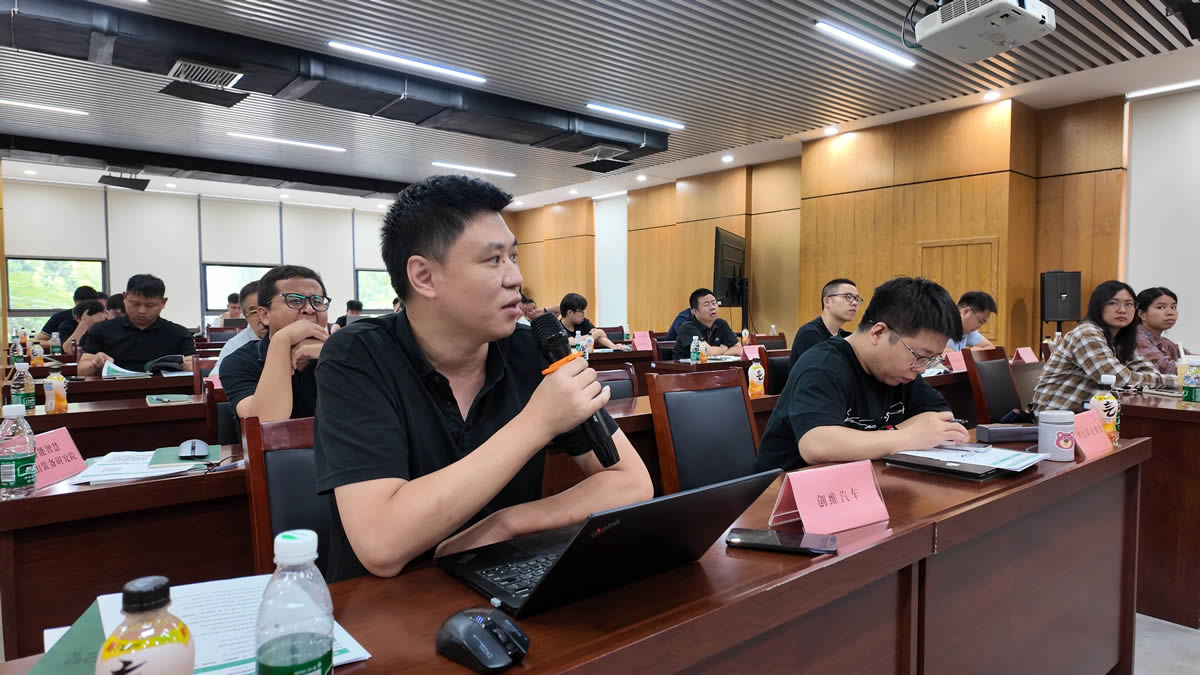
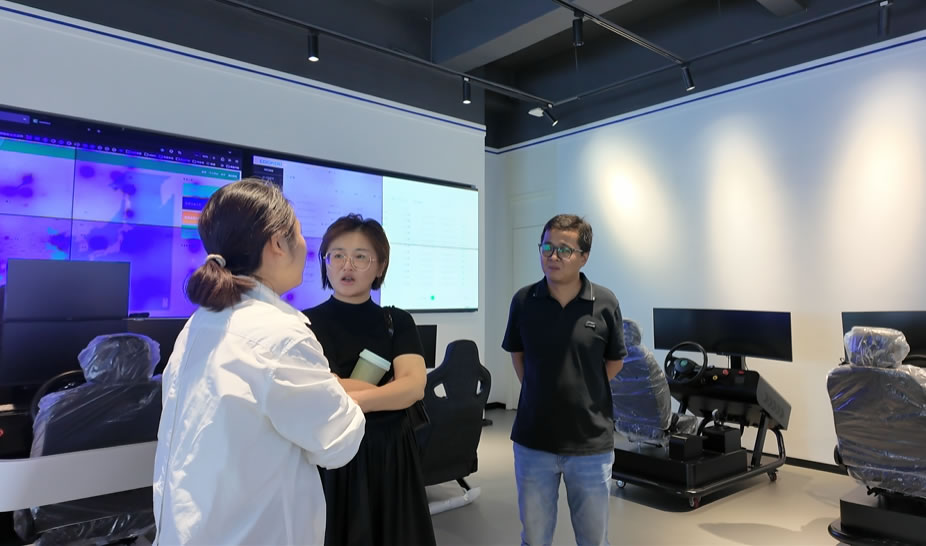
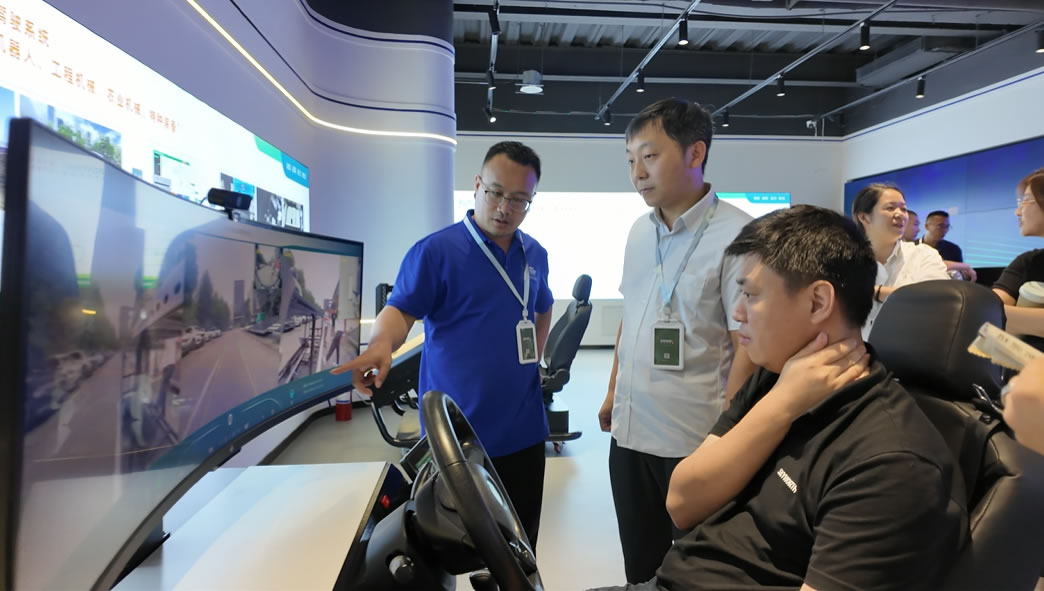
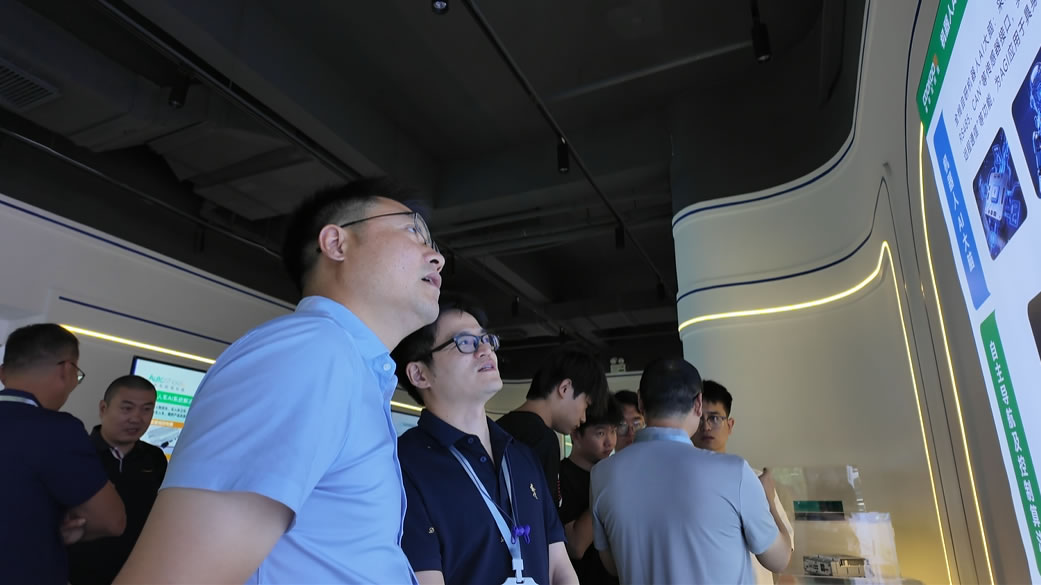
Two days of exchanging ideas not only provided participating developers with actionable technical solutions and practical tools but also built a bridge for in-depth dialogue among developers, hardware manufacturers, and scenario providers. Moving beyond the perspective of individual projects, participants collectively examined the common challenges facing the autonomous vehicle industry and reached a broad consensus on technical pathways, regulatory compliance, and scenario iteration—thereby sowing the seeds for future joint project development and ecosystem collaboration.
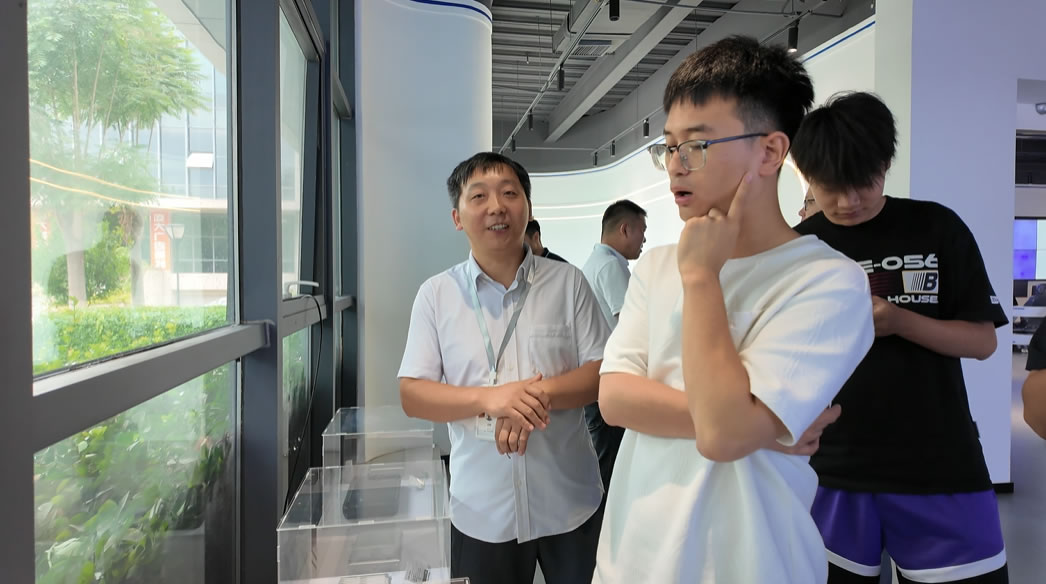
Deeply committed to edge AI technology, the company empowers the industrial upgrade of the autonomous vehicle sector. Leveraging the CooKooAI developer community as a platform, Bugu Co-Creation Technology will continue to share its technical expertise—spanning domain controllers, XBox, DSSAD data storage, and remote driving systems. Upholding a philosophy of open collaboration, the company joins hands with developers and ecosystem partners to overcome engineering implementation challenges and accelerate the transition of domestic autonomous vehicle technology from technical validation to large-scale commercial deployment.